PSHE


PSHE Education Subject Leader - Mrs Bell
Why I am passionate about PSHE Education...
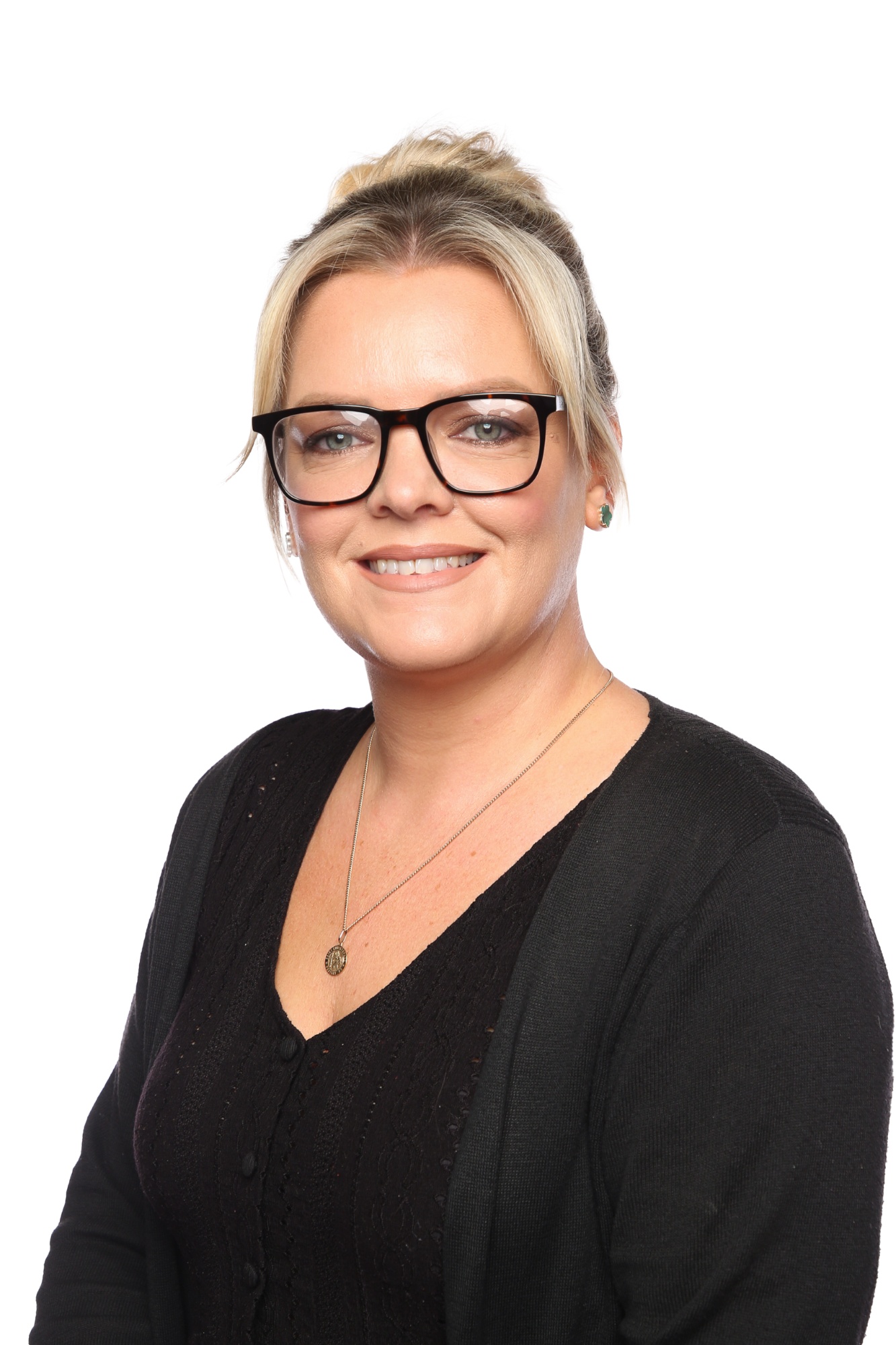
Hi, I am Mrs Bell and I lead PSHE Education at St James’. As Curriculum Lead, I believe PSHEE is the most important part of our learning journey—it underpins everything we do and begins as soon as a child joins us.
When children understand and learn to regulate their emotions, develop a strong sense of self-worth, and build resilience, they are better equipped to face challenges and grow from them. Alongside this, learning to make thoughtful decisions, show deep respect for others and acting with kindness and integrity enables them to grow in confidence and character.
I am passionate about seeing children flourish socially and emotionally. The learning we provide during their primary years has the power to shape the people they become in the future.

Curriculum Intent
At St James’ Catholic Primary School, the intent of our PSHE curriculum is to provide an inclusive and accessible programme for all pupils, enabling every child to know more, remember more and understand more.
Through our PSHE curriculum, children develop the knowledge, skills and attributes they need to understand and manage their emotions, build resilience, and develop a strong sense of self-worth. This supports them in becoming healthy, independent and responsible members of society who are able to reflect on their personal and social development.
Our curriculum equips pupils with the confidence to tackle the moral, social and cultural issues that are part of growing up. We provide opportunities for children to learn about their rights and responsibilities and to appreciate what it means to be part of a diverse society. They are encouraged to play a positive role in school life and the wider community, developing respect for others alongside kindness and integrity.
“Personal, Social, Health and Economic (PSHE) education is a school subject through which pupils develop the knowledge, skills and attributes they need to manage their lives, now and in the future. These skills and attributes help pupils to stay healthy, safe, and prepare them for life and work in modern Britain. PSHE education helps pupils to achieve their academic potential, and leave school equipped with skills they will need throughout later life.”
— PSHE Association
Curriculum Implementation
At St James’, we have tailored the PSHE Association’s Programme of Study to meet the needs of our pupils, our school and our community. This has been carefully designed in line with our school ethos and aims, ensuring it is relevant, meaningful and responsive to our children.
We follow the PSHE Association’s three core themes: Health and Wellbeing, Relationships and Living in the Wider World. Each year group engages with all three themes annually, ensuring a spiral curriculum in which learning is revisited, built upon and deepened over time. This approach, supports pupils in retaining knowledge, developing skills and strengthening their understanding, particularly in relation to emotional awareness, emotional regulation and resilience.
We avoid, where possible, isolated or stand-alone lessons. Instead, we make deliberate links to prior learning and real-life experiences, enabling children to make connections and apply their understanding in meaningful contexts.
Where appropriate, we make purposeful cross-curricular links, particularly within English, Religious Education, Physical Education, History and Geography, as well as opportunities within Maths, Science and Computing. This ensures that PSHE is embedded across the wider curriculum and not taught in isolation.
PSHE learning is delivered through a range of approaches, including whole-class teaching, group discussions, individual reflection, assemblies, external visitors, cross-curricular opportunities and discrete lessons.
During PSHE sessions, children are encouraged to ask thoughtful questions and engage in meaningful discussion. Time is given to explore real-life scenarios, consider different perspectives and reflect on possible responses. This supports pupils in developing critical thinking, empathy, decision-making skills and the confidence to navigate a range of social and emotional situations.
Assessment
Teachers assess pupils’ knowledge, understanding and skills in PSHEE through ongoing formative assessment. This includes careful observations, listening to pupil voice and noting contributions during lessons and discussions.
In line with our whole-school assessment policy, pupils receive regular verbal feedback to support their progress - where appropriate. Assessment in PSHEE, differs from that in many other subjects as the impact of learning is often reflected in pupils’ attitudes, behaviour and interactions with others.
The effectiveness of the PSHE curriculum can be seen in how pupils treat one another, demonstrate respect and apply their learning in real-life situations. Pupil voice, including interviews and discussions, also provides valuable insight into what children know, understand and remember.
As our curriculum is responsive to the needs of our pupils, additional support and interventions can be implemented where required. This ensures that all children are supported in developing the knowledge, skills and attributes needed to manage their lives, both now and in the future.
Inclusion
All lessons are delivered in line with the school’s SEND Policy and Accessibility Policy, ensuring that appropriate support, adaptations and reasonable adjustments are in place so that every pupil can fully access the PSHE curriculum.
Spiritual, moral, social and cultural development and British Values
Spiritual, moral, social and cultural (SMSC) development is promoted throughout all PSHE teaching.
Spiritual development: Pupils explore their own beliefs and experiences, as well as those of others. They are encouraged to reflect on their feelings and values, and to develop respect for different beliefs and faiths.
Moral development: Pupils learn about right and wrong, the importance of laws and rules, and the consequences of their actions. They are given opportunities to consider, discuss and debate ethical issues and to express reasoned views.
Social development: Pupils develop an understanding of the groups and communities to which they belong. They are encouraged to participate in school and local community life, learn how to manage relationships and resolve conflict and engage with British Values including: democracy, the rule of law, individual liberty, mutual respect and tolerance.
Cultural development: Pupils develop an awareness of cultural influences and the diversity of modern Britain. They learn about the role of Britain’s parliamentary system and are supported to understand, respect and celebrate differences within society.
Curriculum Impact
PSHE Education is given a high priority at St James’. It is timetabled weekly and is a valued subject for both staff and pupils.
Through regular monitoring, including pupil interviews, book looks and learning walks, it is evident that staff use high-quality, carefully selected resources to deliver effective lessons. A culture of openness and trust has been established within classrooms, where pupils feel confident to share their thoughts, ideas and opinions.
As a school, we celebrate difference and promote individuality. Pupils demonstrate a clear understanding of their own personal and social development and have a strong sense of self-worth. They understand how their words and actions affect others and consistently show respect in their interactions throughout the school day.
Pupils are encouraged to ask questions and stand up for what they believe in. Those who may feel less confident speaking in front of others are supported through strategies such as class ‘Ask it Baskets’, which are used regularly.
Children know how and where to seek support if they are worried about themselves or others, and nurture provision is accessed effectively where needed.
Overall, the impact of the PSHE curriculum is highly positive. Pupils are well-prepared for the next stage of their education and are developing the knowledge, skills and attributes needed to navigate life with confidence, resilience and respect.
-
Talking to your child about puberty and Relationships and Sex Education (RSE) at home:
Little children can have big questions. amaze jr. provides age-appropriate relationships and sex education resources for parents to use when talking to young children. There are fun videos to share and watch together. Click on the logo to the left to visit the site.
What the children think about PSHE education at our school...
We learnt that when you're older, you earn your own money and need to budget to pay bills every month - Robbie, Year 5
I know how to communicate safely online and I know that being respectful to others is a British Value - Livvy, Year 5
We learnt that our body changes during puberty - Catherine, Year 5
In PSHE lessons I like learning about how people are all different - Year 1
Following the law is a British Value - Year 1
I know that if I get pocket money I can save it to buy something I like - Year 1